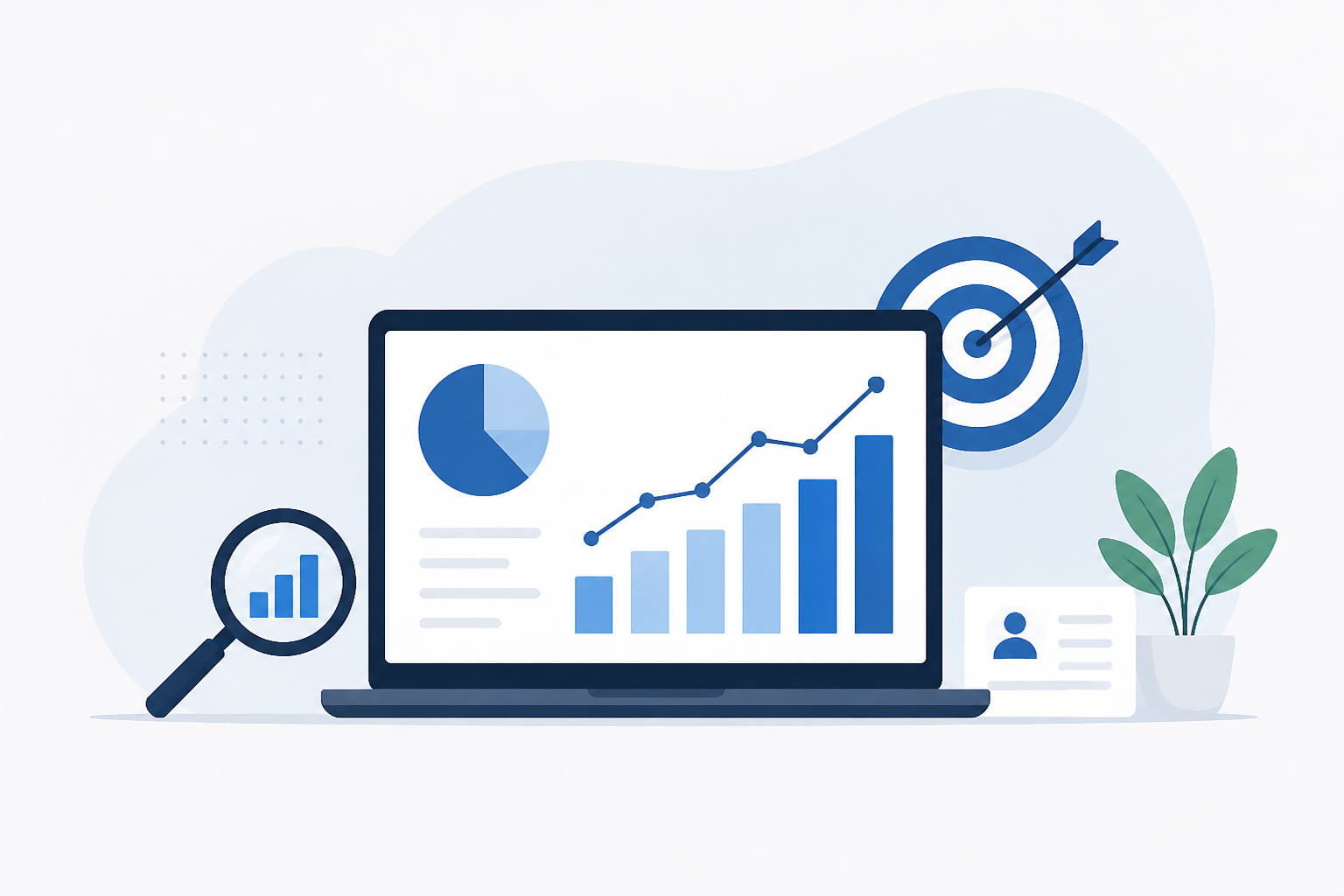
Gone are the days when marketers relied solely on intuition or guesswork. Today, we have access to mountains of data, and using it well can give businesses a powerful edge. Data-driven marketing means making smart decisions based on real insights, enabling brands to connect better with their audience, improve campaign performance, and ultimately grow revenue.
This guide will walk you through what data-driven marketing is, why it’s so impactful, and the essential strategies you need to get started. Let’s dive into the world of data and see how it can help you make smarter, more confident decisions for your marketing.
What is Data-Driven Marketing?
Data-driven marketing means using data to guide marketing choices. Instead of relying on gut feelings, marketers analyze information like customer behaviors, preferences, and trends to make informed decisions. This approach helps brands understand who their customers are, what they want, and how best to reach them.
With data-driven marketing, brands can create campaigns that are tailored to what their audience really wants to see. Think of it as using real insights to craft better messages, reach the right people, and even predict what customers are likely to do next. This method not only makes marketing more efficient but also builds stronger relationships with customers by delivering content that’s relevant to them.
Why Data-Driven Marketing is Essential for Success
Adopting a data-driven approach isn’t just a good idea—it’s essential for any brand that wants to compete in today’s market. Here are some of the main reasons why businesses should embrace this approach:
1. Reach the Right People at the Right Time
One of the biggest advantages of data-driven marketing is precision targeting. Data allows marketers to identify specific audience segments and create messages that resonate with each one. With tools like Google Analytics, brands can understand details like customer demographics, interests, and behaviors.
Example: Imagine you’re marketing a fitness product. Data can tell you which audience groups are most interested in fitness, such as age ranges or income levels. This information enables you to focus your advertising efforts on the most relevant audience, which increases the likelihood of engagement and conversions.
2. Personalize the Customer Experience
Personalization is at the heart of successful marketing today. Customers expect personalized experiences, and data-driven marketing makes it easier to deliver them. By collecting and analyzing data, brands can tailor offers, recommendations, and messages for each customer, making interactions feel more personal and valuable.
Example: Amazon is a master of data-driven personalization. By analyzing browsing and purchase history, Amazon recommends products that are likely to appeal to each individual customer. This personalized approach has boosted Amazon’s sales and strengthened customer loyalty.
3. Increase ROI by Spending Smarter
With data-driven marketing, you can allocate your budget more effectively. By tracking which campaigns perform best, you can invest in what works and cut down on what doesn’t. Data helps you maximize your return on investment (ROI) by putting resources toward strategies that have a proven track record.
Example: Say you’re running both email and social media campaigns. By looking at data, you notice that email drives more traffic and sales than social media. This insight lets you invest more in email marketing, ultimately improving your ROI.
4. Constant Improvement Through Testing
Data-driven marketing allows for ongoing testing and optimization. By regularly reviewing data from campaigns, you can identify what works and what needs improvement. This approach enables continuous learning and refining of your marketing strategies.
Example: Many brands use A/B testing to see which version of an ad performs better. Data reveals insights like which headlines grab attention or which CTAs get more clicks. Over time, these insights help you build more effective campaigns.
Key Benefits of Data-Driven Marketing
Data-driven marketing brings many benefits, but here are three of the most impactful:
- Better Decision-Making: By basing decisions on data, you reduce guesswork and gain confidence in your strategy. Data helps clarify what’s working, so you can focus on efforts that drive results.
- Higher Engagement Rates: When you understand your audience’s preferences, you can create content that resonates with them. This leads to higher engagement, as customers are more likely to interact with personalized messages.
- Optimized Resource Allocation: Data shows you which channels and campaigns bring the best results. This knowledge helps you direct your budget and efforts to the areas with the highest potential.
Tools for Effective Data-Driven Marketing
To succeed with data-driven marketing, you need the right tools to collect, analyze, and act on your data. Here are some powerful tools to consider:
- Google Analytics: Tracks website traffic, user behavior, and conversion rates, giving you insights into how visitors engage with your site.
- HubSpot: A comprehensive CRM that combines marketing, sales, and customer service tools. HubSpot makes it easy to manage data and use it to personalize customer interactions.
- Tableau: A data visualization tool that transforms complex data into easy-to-read graphs and dashboards, helping you spot trends and insights at a glance.
- Hootsuite: A social media management tool that lets you track engagement and performance across platforms, schedule posts, and view analytics for social campaigns.
These tools help you turn data into actionable insights, enabling you to make smarter, data-backed decisions.
Real-World Examples of Data-Driven Success
Many companies have successfully harnessed data-driven marketing to achieve incredible results. Here are two standout examples:
- Netflix: By analyzing viewer data, Netflix tailors its content recommendations to each user’s tastes. This approach has made the user experience more engaging, increasing watch time and subscriber loyalty.
- Starbucks: Starbucks uses data to personalize marketing messages for its customers. Based on purchase history and preferences, Starbucks sends targeted offers and product recommendations, boosting sales and enhancing customer loyalty.
These examples show how data-driven marketing can create meaningful, customized experiences that deepen customer relationships and drive revenue.
How to Get Started with Data-Driven Marketing
Ready to dive into data-driven marketing?
Here are the key steps to get started:
Step 1: Set Clear Goals
First, define what you want to achieve. Whether it’s increasing sales, improving engagement, or reaching a new audience, clear goals will guide your data collection and strategy.
Step 2: Collect Relevant Data
Use tools like Google Analytics, social media insights, or CRM data to gather information about your audience’s behavior and preferences. This data will be the foundation for your data-driven marketing.
Step 3: Analyze the Data for Actionable Insights
Look for patterns or trends in the data. What types of content perform best? Which channels drive the most traffic? Use these insights to shape future campaigns.
Step 4: Test, Optimize, and Improve
Data-driven marketing isn’t a one-time effort. Test different strategies, measure the results, and make adjustments based on what you learn. This continuous improvement will help you refine your approach and drive better results over time.
Start Making Smarter Marketing Decisions Today
In a world full of data, adopting a data-driven marketing approach can set your business apart. By setting goals, collecting and analyzing data, and using the right tools, you can understand your customers better and create campaigns that truly connect.
Data-driven marketing helps you make informed decisions, improve customer engagement, and increase ROI. Start small by identifying a few key metrics to track, and build from there. With each insight, you’ll be one step closer to mastering data-driven marketing and achieving lasting success. Embrace the power of data, and watch your marketing efforts become smarter, more effective, and ultimately more rewarding.
Ready to Transform Your Marketing with Cloudpso?
Take the first step towards smarter, data-driven decisions that boost engagement and revenue.
Contact us today and discover how our expertise in data-driven marketing can help you achieve your goals!