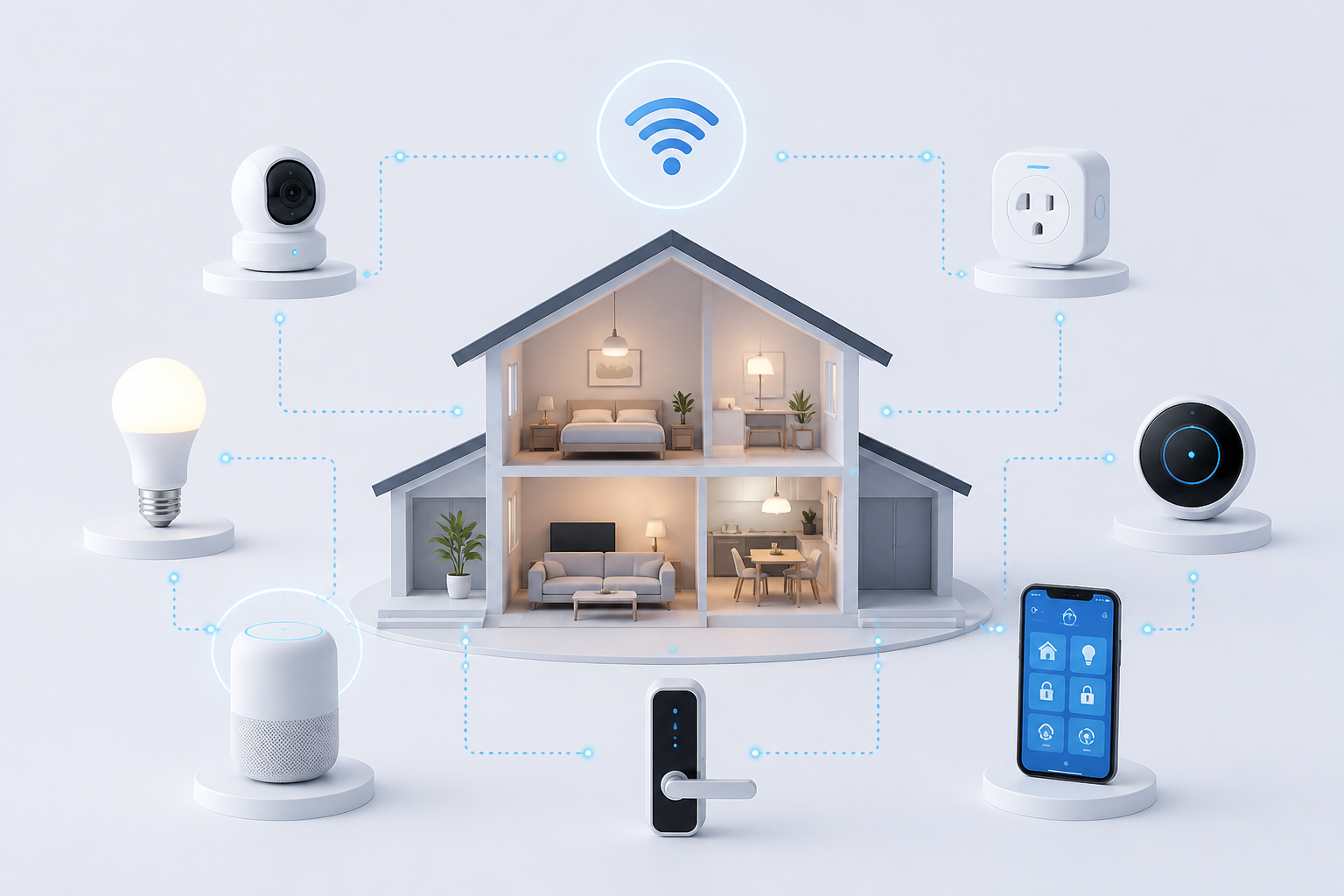
The Internet of Things (IoT) refers to a network of interconnected devices that communicate with each other and the Internet to provide seamless experiences. These devices, embedded with sensors and software, collect and share data, enabling automation, efficiency, and smarter decision-making. From homes and workplaces to healthcare and transportation, IoT devices are revolutionizing every aspect of our lives. In this blog, we explore some of the most popular IoT devices and their applications in making our lives smarter and more efficient.
Smart Thermostats: A Comfortable and Energy-Efficient Home
Smart thermostats, such as Nest and Ecobee, have transformed home climate control. These devices learn your daily routines and preferences, automatically adjusting heating and cooling to keep your home comfortable while saving energy. For instance, Nest uses machine learning to analyze your habits and optimize temperature schedules, while Ecobee’s remote sensors ensure even heating and cooling across your home. Additionally, features like energy usage reports and integration with voice assistants such as Alexa and Google Assistant make managing your home environment more intuitive. This not only enhances convenience but also helps reduce utility bills, making these devices a worthwhile investment for homeowners.
Enhanced Security with Smart Security Cameras
IoT-enabled security cameras, such as those offered by Ring, Arlo, and Wyze, go beyond traditional surveillance. These cameras provide live video feeds, motion detection, and two-way audio, allowing homeowners to monitor their properties remotely. Advanced features, such as AI-powered facial recognition, enable these devices to differentiate between family members and potential intruders. Ring’s integration with neighborhood networks, for example, helps create a community-based security system, while Arlo’s cloud storage allows users to review past footage conveniently. With mobile alerts and emergency response features, smart security cameras have become an essential tool for safeguarding homes and businesses.
Smart Speakers: Your Virtual Assistant
Smart speakers, such as Amazon Echo and Google Nest, are revolutionizing the way we interact with technology. These devices are not just for playing music; they act as central hubs for managing other IoT devices in your home. With voice commands, you can control smart lights, thermostats, and even appliances. Google Nest, for example, integrates seamlessly with Google’s ecosystem, allowing users to manage their calendars, receive news updates, and even place calls hands-free. Meanwhile, Amazon Echo’s vast range of Alexa skills makes it a versatile tool for entertainment, productivity, and home automation. These devices make daily tasks easier, allowing you to focus on what matters most.
Wearable Fitness Trackers for a Healthier You
Fitness trackers like Fitbit, Garmin, and Apple Watch have become indispensable for health-conscious individuals. These devices monitor various metrics, including steps taken, calories burned, heart rate, and sleep quality. Advanced models even offer ECG monitoring, blood oxygen level measurement, and stress management insights. For example, the Apple Watch Series 8 includes fall detection and emergency SOS, features that have proven lifesaving in critical situations. Additionally, fitness trackers integrate with mobile apps to provide detailed analytics and personalized recommendations, encouraging users to maintain healthier lifestyles. Their growing popularity highlights the increasing importance of proactive health management.
Smart Door Locks: Keyless Convenience
Gone are the days of fumbling for keys—smart locks, such as August and Schlage, offer unparalleled convenience and security. These devices enable keyless entry using smartphones, biometric data, or PIN codes. Some models, like the August Smart Lock, allow temporary access codes for guests, making them ideal for Airbnb hosts. Integration with home automation systems means you can lock and unlock doors remotely, ensuring your home is secure even when you’re away. With additional features like activity logs and alerts for unauthorized access attempts, smart locks are redefining home security.
Connected Cars: The Future of Transportation
IoT-enabled cars are at the forefront of transforming the automotive industry. Vehicles from Tesla, BMW, and Ford feature advanced connectivity options, including real-time navigation, remote diagnostics, and over-the-air software updates. Tesla’s Autopilot system, for example, uses a network of sensors and cameras to enable semi-autonomous driving, enhancing safety and reducing driver fatigue. Additionally, IoT connectivity allows for predictive maintenance, where vehicles alert owners about potential issues before they become major problems. These features not only improve the driving experience but also contribute to a more sustainable and efficient transportation system.
Bright Ideas with Smart Lighting Systems
Smart lighting systems, such as Philips Hue and LIFX, offer customizable lighting solutions that adapt to your mood and activities. These devices can be controlled via apps or voice commands, allowing you to adjust brightness, colors, and schedules effortlessly. For example, you can program lights to simulate a sunrise in the morning or switch to warmer tones in the evening to promote relaxation. Integration with motion sensors and geofencing ensures that lights are only on when needed, reducing energy consumption. With their ability to enhance both aesthetics and functionality, smart lighting systems are a game-changer for modern homes.
Smart Refrigerators: A Kitchen Revolution
Modern smart refrigerators from brands like Samsung and LG are more than just food storage units—they are digital assistants for your kitchen. Equipped with internal cameras, touchscreens, and voice control, these appliances help you manage groceries, track expiration dates, and plan meals. Samsung’s Family Hub, for example, allows users to view the contents of their fridge remotely, making grocery shopping more efficient. Some models also feature recipe suggestions based on available ingredients and integration with smart speakers for hands-free control. By simplifying daily tasks, smart refrigerators are making kitchens more efficient and enjoyable.
Health Monitoring Devices for Better Care
IoT health devices are transforming patient care and personal health management. Connected devices like Omron blood pressure monitors and Dexcom glucose trackers allow users to monitor vital signs at home and share data with healthcare providers. These tools enable early detection of potential health issues and facilitate timely interventions. Additionally, wearable ECG monitors, such as KardiaMobile, provide clinical-grade heart health monitoring, empowering users to take control of their well-being. As telemedicine continues to grow, these IoT health devices are playing a crucial role in bridging the gap between patients and healthcare professionals.
Smart TVs: Entertainment at Your Fingertips
Smart TVs have become a staple in modern households, offering seamless access to streaming platforms, apps, and internet browsing. Brands like Sony, LG, and Samsung have integrated AI-driven content recommendations, enhancing the viewing experience. For instance, Samsung’s Smart Hub aggregates content from multiple sources, making it easy to discover new shows and movies. With voice control and IoT integration, smart TVs can also function as hubs for managing other connected devices. These features make entertainment more personalized and accessible, transforming how we consume media.
Energy Efficiency with Smart Plugs
Smart plugs are an easy and cost-effective way to turn traditional appliances into smart devices. Products like TP-Link Kasa and Wemo allow users to control devices remotely, set schedules, and monitor energy usage. For example, you can program a smart plug to turn off your coffee maker after a certain time or schedule your lights to switch on at sunset. These small but powerful devices help reduce energy waste, lower utility bills, and make home automation more accessible to everyone.
Water Safety with Smart Leak Detectors
IoT water leak detectors, such as those from Flo and Honeywell, provide an essential safeguard against water damage. These devices use sensors to detect leaks and send real-time alerts to your smartphone. Some advanced models, like Flo by Moen, can even shut off the water supply automatically to prevent extensive damage. With the ability to monitor water usage and detect anomalies, these devices also contribute to water conservation efforts. They are an invaluable addition to any home, particularly in areas prone to leaks or flooding.
Smart Vacuum Cleaners for Hassle-Free Cleaning
Robotic vacuum cleaners, such as Roomba and Shark IQ, have revolutionized home cleaning. These devices use advanced sensors and mapping technology to navigate your home, ensuring thorough and efficient cleaning. Roomba’s high-end models, for example, can map your home’s layout and clean specific rooms on command. With features like automatic dirt disposal and voice control, these smart vacuums save time and effort, making them a favorite among busy homeowners. As technology advances, we can expect even more innovative features in this category.
Smart Sprinklers for Efficient Irrigation
IoT-enabled sprinkler systems, such as Rachio and Orbit, use weather data and soil moisture levels to optimize irrigation. These systems ensure that your lawn and garden receive the right amount of water, reducing waste and promoting healthier plants. Rachio’s mobile app provides detailed insights into water usage and allows users to create customized schedules. By integrating with smart home platforms, these sprinklers can also be controlled through voice commands, offering both convenience and sustainability.
Conclusion
In conclusion, IoT devices are reshaping industries by enhancing efficiency, connectivity, and automation. Their integration across sectors such as healthcare, agriculture, and smart homes is transforming how we live and work. As IoT continues to evolve, the development of advanced devices, improved security, and broader adoption will drive even greater innovation. The potential for IoT to enhance everyday life is immense, promising a more interconnected and intelligent world.