Blockchain technology has become one of the most transformative innovations of the 21st century. Originally designed as the underlying infrastructure for Bitcoin, blockchain has evolved into a versatile tool capable of revolutionizing industries ranging from finance to healthcare. In this blog, we will explore what blockchain is, how it works, and its impact on various sectors, all in straightforward terms.
What Is Blockchain?
Blockchain is a digital ledger that records transactions across multiple computers in a secure and transparent manner. Unlike traditional databases, it doesn’t rely on a central authority. Instead, every participant in the network has access to the entire ledger, ensuring that all data is consistent and tamper-proof.
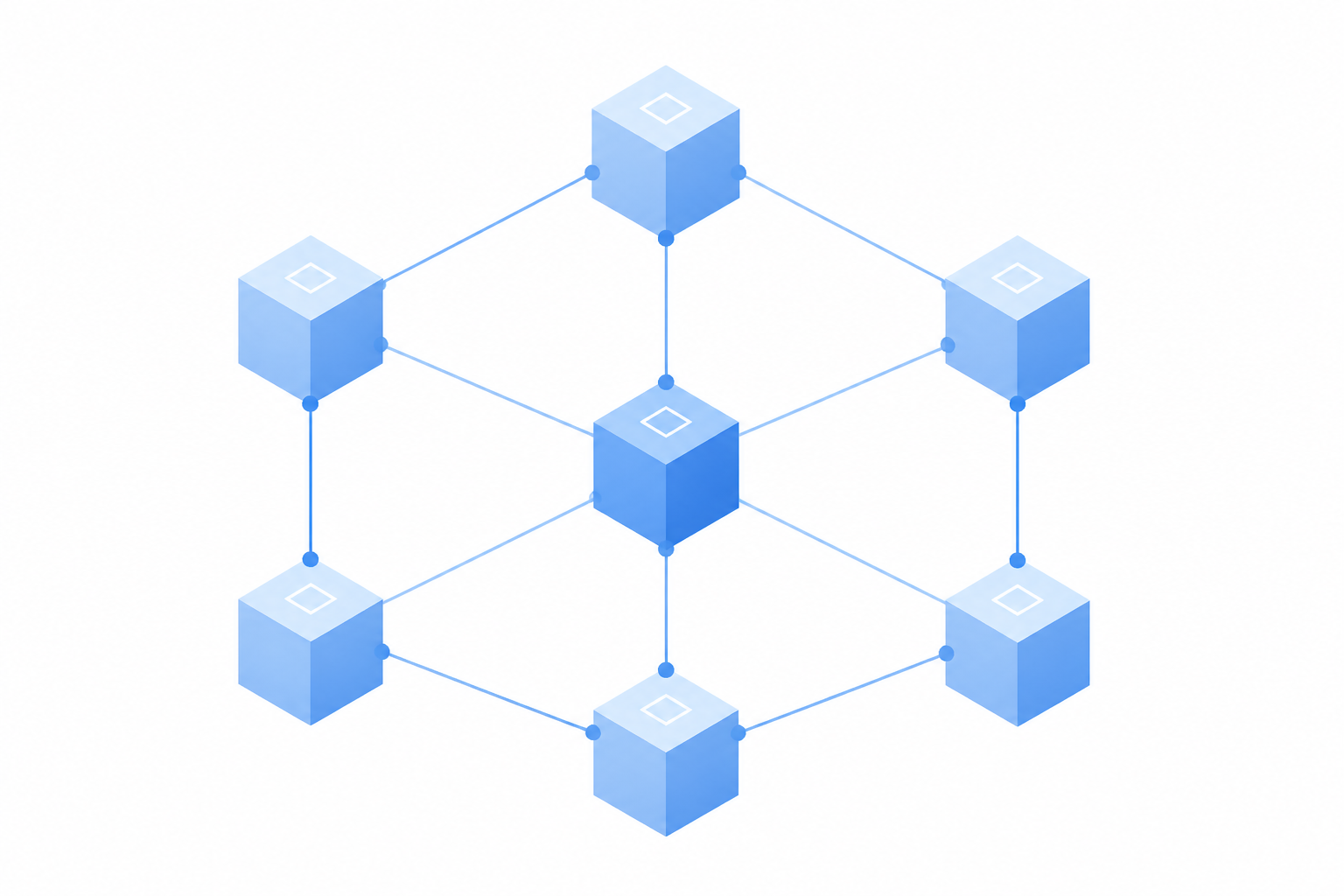
A blockchain consists of blocks that store data. Each block is linked to the previous one through a unique code called a hash, forming a chain of blocks. Once a block is added to the chain, it cannot be altered without modifying all subsequent blocks, which is nearly impossible due to the decentralized nature of the system.
How Blockchain Works
Here’s a simplified explanation of how blockchain operates:
- Transaction Initiation: A user initiates a transaction, such as sending money or recording data.
- Verification: The transaction is verified by network participants, often called nodes.
- Block Creation: Once verified, the transaction is bundled into a block.
- Consensus Mechanism: The network uses algorithms like Proof of Work (PoW) or Proof of Stake (PoS) to agree on the validity of the block.
- Adding to the Chain: The verified block is added to the chain, and the transaction becomes permanent and transparent.
Key Benefits of Blockchain
- Immutability: Once data is recorded, it cannot be altered, ensuring accuracy.
- Transparency: All transactions are visible to authorized participants, reducing fraud and corruption.
- Security: Advanced encryption ensures that data is protected from unauthorized access.
- Decentralization: Eliminates the need for intermediaries, reducing costs and increasing efficiency.
Blockchain in Action: Transforming Industries
1. Finance
Blockchain is reshaping the financial sector by enabling faster, more secure transactions. For instance, international payments that traditionally take days can now be completed within minutes using blockchain-powered solutions like Ripple.
2. Supply Chain
Companies are using blockchain to improve supply chain transparency. It allows stakeholders to track the journey of goods from origin to destination in real-time, ensuring authenticity and reducing counterfeiting.
3. Healthcare
In healthcare, blockchain ensures secure and seamless access to patient records. By storing data on a decentralized network, it prevents unauthorized access and enhances collaboration among healthcare providers.
4. Energy
Blockchain is driving innovation in the energy sector through peer-to-peer energy trading. Homeowners with solar panels can sell excess energy directly to their neighbors using blockchain platforms, bypassing traditional utility companies.
5. Real Estate
Smart contracts on blockchain are streamlining real estate transactions by automating processes like property transfers and lease agreements. This reduces paperwork and eliminates intermediaries.
Challenges to Overcome
While blockchain holds immense promise, it’s not without challenges:
- Energy Consumption: Certain blockchain networks, like Bitcoin, consume significant amounts of energy due to mining activities.
- Scalability: Processing a large volume of transactions can be slow and expensive.
- Regulation: The lack of clear regulations in many countries creates uncertainty for businesses adopting blockchain.
- Complexity: For many, understanding and implementing blockchain remains a daunting task.
The Future of Blockchain
Blockchain technology continues to evolve, with new applications emerging daily. Governments and businesses are investing heavily in research and development to harness its full potential. Innovations like Layer 2 scaling solutions and hybrid blockchains are addressing scalability and energy concerns, making the technology more accessible and sustainable.
Moreover, industries like gaming, education, and entertainment are beginning to explore blockchain’s capabilities, from creating decentralized gaming ecosystems to verifying educational credentials securely.
Insights and Real-World Use Cases
Blockchain in Logistics
One of the most impactful applications of blockchain is in logistics. With decentralized tracking systems, companies can monitor shipments in real-time, ensuring timely deliveries and minimizing losses. For instance, IBM’s blockchain platform has helped reduce inefficiencies in global shipping networks.
Government Applications
Governments worldwide are beginning to adopt blockchain for public services, such as voting systems and land registry management. Blockchain’s transparency ensures fair voting practices, while its immutability secures property ownership records.
Retail Innovations
Retailers are integrating blockchain to provide greater transparency for consumers. For example, blockchain-powered QR codes on product packaging allow customers to verify sourcing and authenticity.
Blockchain and ESG Goals
Businesses striving for Environmental, Social, and Governance (ESG) goals can use blockchain to monitor supply chain sustainability and prove compliance with environmental regulations.
By integrating blockchain into business operations, companies can build trust, improve efficiency, and unlock unprecedented opportunities. Whether you are in finance, healthcare, or retail, the time to embrace blockchain is now.
Final Thoughts
Blockchain technology is more than just a buzzword; it’s a transformative force that’s redefining how we store, share, and secure data. By addressing current challenges and continuing to innovate, blockchain has the potential to become a cornerstone of our digital future.
If you’re looking to leverage blockchain for your business, now is the time to act. With its ability to enhance transparency, security, and efficiency, blockchain is a powerful tool for staying ahead in today’s competitive landscape.