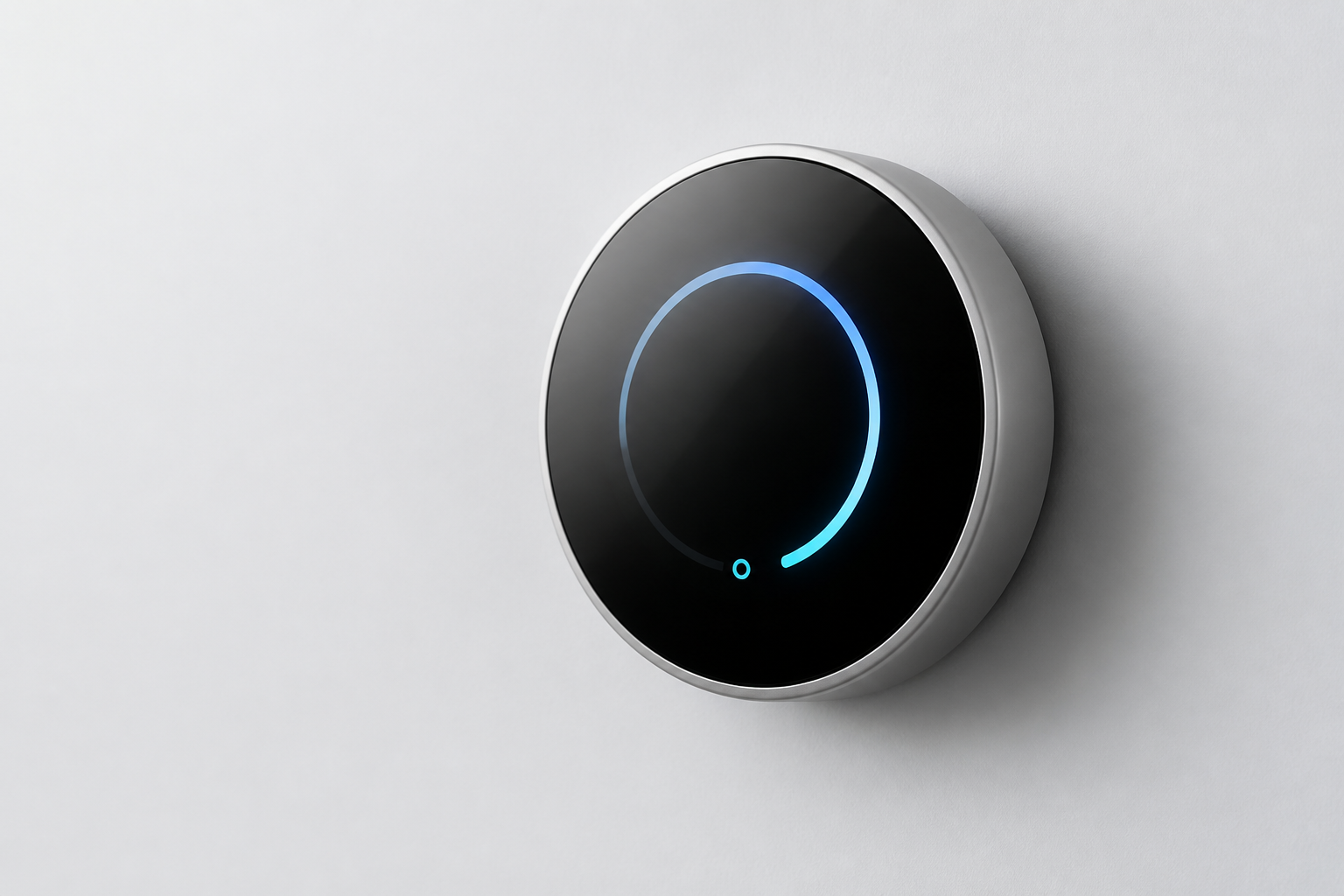
The Internet of Things (IoT) connects everyday devices to the internet, enabling them to collect and share data. This network enhances efficiency and convenience in daily life and industry. What makes IoT so impactful?
This article covers its basics, real-world uses, key components, and future trends.
Key Takeaways
- The Internet of Things (IoT) enables seamless communication and automation among devices, enhancing efficiency and data-driven decision-making across various sectors.
- Key components of IoT systems include sensors, connectivity, data processing, and user interfaces, all of which work together to operate devices effectively.
- Despite its benefits, IoT faces challenges like data privacy, security vulnerabilities, and interoperability issues, which need addressing for its safe and effective implementation.
What is the Internet of Things (IoT)?
The Internet of Things (IoT) is a large network of physical objects. These objects are embedded with sensors, software, and technologies that enable them to connect and exchange data with other devices and systems via the internet. These IoT devices range from everyday household items to sophisticated industrial tools, all equipped with unique identifiers that enable them to communicate without requiring human intervention. This seamless communication and automation are what make IoT such a transformative force in today’s digital landscape.
At its core, IoT technology bridges the gap between the physical and digital worlds. Embedding sensors and software into physical devices allows IoT to collect and share data, monitor environments, and perform actions based on the received information. Autonomously transferring data and controlling actions enhances efficiency and enables smarter decision-making across sectors like healthcare and manufacturing.
The true power of IoT lies in its ability to create interconnected ecosystems of devices that work together to achieve common goals. This network of devices connected over the internet forms the backbone of the IoT, driving innovation and enabling new applications that were once considered the realm of science fiction.
Exploring real-world examples of connected devices reveals how IoT is transforming our lives.
Real-world examples of IoT devices
IoT devices are increasingly becoming a part of our everyday lives, enhancing convenience and efficiency in ways we never thought possible. In the realm of smart devices and smart home devices, for instance, lighting systems and security cameras can be controlled remotely, allowing homeowners to manage their homes from anywhere in the world. Smart thermostats are another example, optimizing energy usage by learning user preferences and adjusting temperatures accordingly.
Wearable devices like fitness trackers are another popular application of IoT technology. These devices monitor the user’s health and activity levels, providing valuable insights and promoting healthier lifestyles.
Connected cars represent a more advanced application, using IoT for features such as remote diagnostics, navigation, and even remote operation. These vehicles can communicate with other devices to book service appointments and receive updates, enhancing both safety and convenience.
Key components of IoT systems
Before:
Grasping the key components of IoT systems helps understand how these technologies create interconnected ecosystems. The primary elements include sensors and actuators, connectivity, data processing, and user interfaces. These components work in harmony to enable the seamless operation of IoT devices and the systems they form.
After:
The key components of IoT systems include:
- Sensors and actuators
- Connectivity
- Data processing
- User interfaces
These components work in harmony to enable the seamless operation of IoT devices and the systems they form.
Sensors and actuators are the building blocks of IoT systems, responsible for collecting data from the physical environment and converting it into digital information. Connectivity ensures that this data can be transmitted across networks, while data processing and analysis interpret the data to generate meaningful insights.
Finally, user interfaces allow users to interact with the IoT system, controlling devices and accessing the information collected. Each of these components plays a vital role in the overall functionality of IoT systems. Delving into these elements reveals their contribution to the efficiency and effectiveness of IoT applications across sectors.
IoT sensors and their role
IoT sensors are the eyes and ears of the IoT ecosystem, converting real-world variables into data that can be analyzed and acted upon. These sensors are embedded in IoT devices and are responsible for collecting data on various environmental parameters, such as temperature, light, sound, and pressure. For example, a temperature sensor detects heat and converts temperature changes into data, while motion sensors monitor movement by detecting ultrasonic waves.
Collecting data from these sensors allows IoT systems to monitor and analyze environments in real-time, enhancing decision-making and automation. Smart thermostats adjusting home temperatures and industrial sensors monitoring machinery for maintenance illustrate the critical role of these smart sensors in IoT applications’ efficiency and effectiveness.
Connectivity in IoT
Connectivity serves as the lifeline of IoT systems, enabling devices to communicate and share data over the internet. This communication is facilitated by network protocols that ensure data is effectively transmitted between devices. An IoT gateway acts as a central hub, managing the flow of data between IoT devices and the wider network. This gateway not only facilitates data transfer but also enhances the efficiency of communication by processing data locally before sending it further.
The global number of connected IoT devices is expected to exceed 40 billion by 2030, driven by advancements in connectivity technologies like 4G and 5G networks. This massive network of devices connected over the internet is crucial for scaling IoT applications and ensuring they operate seamlessly across different environments.
Data processing and analysis
Data processing and analysis are at the heart of IoT systems, transforming raw data into actionable insights. This process involves using algorithms and software to interpret the data collected from IoT sensors. Artificial intelligence and machine learning play a significant role in this, making it easier to collect data, identify patterns, and detect potential issues.
By processing data locally, IoT systems can reduce the volume of data sent to the cloud, minimizing bandwidth consumption and enhancing efficiency. This real-time data analysis enables automation and improves control over various environments, from smart homes to industrial settings.
The ability to collect and analyze large amounts of IoT data in real time is one of the key advantages of IoT, driving smarter decision-making and more efficient operations.
Types of IoT applications
The versatility of IoT technology is evident in its wide range of applications, impacting both personal and industrial sectors. From smart home devices that enhance daily living experiences to sophisticated industrial systems that improve operational efficiency, IoT applications are diverse and transformative.
IoT technology connects various devices, enabling them to communicate and work together to achieve common goals in iot device management. This interconnectedness enhances efficiency and effectiveness across multiple industries, from healthcare to retail and beyond, leveraging iot technologies.
As we explore the different types of IoT applications, we’ll see how this technology is changing the way we live and work.
Consumer IoT applications
Consumer IoT applications are primarily focused on improving the quality of life through smart home systems and wearable devices. Smart home devices, for instance, utilize sensors to manage lighting, security, and resource usage, making homes more convenient and efficient. These devices can be controlled remotely, allowing users to manage their homes from anywhere in the world.
Wearable devices, such as fitness trackers, are another popular application of consumer IoT. These devices monitor user health and activity levels, providing valuable insights and promoting healthier lifestyles. By enhancing daily living experiences, consumer IoT applications are becoming an integral part of our everyday lives.
Industrial IoT applications
The industrial Internet of Things (IIoT) connects devices in the industrial sector, enhancing operational efficiency and predictive maintenance. IIoT applications involve the use of interconnected machinery to monitor equipment performance in real-time, identify quality defects, and optimize production processes.
Machine-to-machine communication (M2M) is a key component of IIoT, enabling wireless automation and control in industries through mechanical and digital machines. This technology provides significant benefits for transportation and logistics, allowing businesses to reroute fleets based on sensor data and track temperature-sensitive inventory.
Enhancing operational efficiency and reducing downtime, IIoT applications are transforming the industrial sector.
Commercial IoT applications
Commercial IoT encompasses tools and systems utilized in business and healthcare settings. These applications are primarily designed for use outside the home. These applications improve business operations and customer experiences by creating auditable data trails and enhancing consumer management. IoT improves fleet management efficiency and safety through real-time monitoring.
In the retail sector, IoT enhances inventory management, enhances customer experience, and reduces operational costs. By providing real-time insights and automating processes, commercial IoT applications are helping businesses operate more efficiently and effectively.
How IoT technology works
The Internet of Things (IoT) works by creating a network of connected devices that communicate and exchange data over the internet. This seamless communication between objects is enabled by a convergence of key technologies, including wireless technologies, microelectromechanical systems, microservices, and the internet. These technologies work together to support the IoT ecosystem, allowing devices to share information and act on it with minimal human intervention.
In an IoT system, data is transmitted through an IoT gateway for analysis, with devices interacting to enhance efficiency and automation. This interconnectedness creates smarter environments, where devices work together to achieve common goals. As we explore how IoT technology works, we’ll see how these components and technologies come together to create a cohesive system.
IoT platform
An IoT platform is essential for managing device connectivity and providing tools for data analysis and application development. These platforms monitor hardware, software, processing, and application layers, ensuring that the entire IoT system operates smoothly. They also provide essential tools for device lifecycle management, data analysis, and application development.
Connectivity technologies, such as WiFi, Bluetooth, cellular networks, and satellite, play a crucial role in transmitting data within the IoT ecosystem. User interfaces allow users to interact with IoT devices, controlling them or viewing collected data.
Managing these aspects makes IoT platforms critical to the successful deployment and operation of IoT systems.
Edge computing in IoT
Edge computing is a vital component of IoT, designed to process data closer to its source to conserve resources and speed up response times. By moving computational resources closer to the data source, edge computing reduces delays and minimizes bandwidth consumption. This localized data processing enhances the efficiency and responsiveness of IoT systems.
Edge processing minimizes data sent to the cloud, enhancing system responsiveness and efficiency while enabling efficient data transfer. This approach is particularly beneficial for applications requiring real-time data analysis and decision-making, such as smart homes and industrial automation.
IoT security systems
Security is a critical aspect of IoT systems, given the increasing number of connected devices and the potential for cyber threats. Artificial intelligence enhances the analytical capabilities of IoT systems, improving their response to cybersecurity threats. Identifying and mitigating potential risks, AI ensures the integrity and security of IoT deployments.
Implementing robust security measures is essential for protecting IoT devices from unauthorized access and ensuring the safety of the entire system. As IoT continues to evolve, enhancing security will remain a top priority to protect against vulnerabilities and cyber threats.
Benefits of IoT technology
IoT technology offers numerous benefits, enhancing operational efficiency and reducing environmental impact. By automating processes and providing real-time insights, IoT reduces costs and improves service delivery across various sectors. It supports enhanced decision-making by facilitating big data analytics, enabling businesses to track information that was previously difficult to collect.
AI enhances the security of IoT devices, improving their ability to detect and respond to potential threats. IoT’s ability to improve patient care through real-time alerts and reduce traditional record-keeping highlights its potential in the healthcare sector.
Overall, IoT contributes to improved efficiency, enhanced decision-making, and effective resource management, providing significant advantages for businesses and industries.
IoT in healthcare
IoT technology is revolutionizing healthcare by significantly reducing costs and enhancing patient care. Connected health devices provide healthcare providers with vital data on chronic diseases, enabling early intervention and preventing hospital readmissions. For instance, glucose monitors can alert patients or caretakers of problematic glucose levels, allowing for timely responses and better management of diabetes.
Automating data collection through IoT devices also enables personalized healthcare by tailoring treatments to individual patients. Continuous monitoring and real-time alerts from IoT devices enhance care quality and reduce traditional record-keeping, making healthcare more efficient and effective.
IoT in smart cities
Smart cities leverage IoT technology to enhance urban management and improve the quality of life for residents. Smart power grids, for instance, enable more efficient energy distribution and consumption monitoring, reducing energy waste and lowering costs. IoT also plays a crucial role in traffic management systems, helping reduce congestion and improve urban mobility through real-time data analysis and adaptive traffic signals.
Public safety is another area where IoT applications shine. Enhanced surveillance systems and real-time emergency response capabilities improve security and safety in urban environments. Facilitating better resource and infrastructure management, IoT technology makes cities smarter and more sustainable.
Challenges and drawbacks of IoT
Despite its numerous benefits, IoT technology faces significant challenges, particularly in the areas of data privacy and security. The sheer volume and variety of data collected by IoT devices make it difficult to ensure data privacy, raising major concerns. Protecting data collected by IoT devices is crucial, as vulnerabilities can lead to unauthorized network access.
User awareness and education about the risks associated with IoT devices are often insufficient, resulting in unintentional security lapses. Consistent updates and patches for IoT devices are essential but often neglected, leading to potential security risks. Poorly secured IoT devices can enable hackers to exploit vulnerabilities, creating security breaches.
Interoperability between different IoT devices remains another major hurdle, complicating integration and communication. Addressing these challenges is essential for the safe and effective implementation of IoT technology. Improving security measures, user education, and device interoperability can mitigate these drawbacks and help realize IoT’s full potential.
Future trends in IoT
The future of IoT technology is bright, with significant market growth projected across various sectors. In healthcare, for example, the U.S. market for IoT is expected to grow to $155.8 billion by 2027. Emerging trends indicate that IoT will continue to evolve, with advancements in artificial intelligence and machine learning driving new innovations and applications.
The development of IoT technology will shape future trends and innovations, particularly in sectors like healthcare. Improved connectivity, enhanced security measures, and the integration of AI will likely be key drivers of this growth. The continued expansion of IoT applications will transform industries, making operations more efficient and improving the quality of life for individuals.
From smart homes to industrial automation, the future of IoT promises exciting developments that will revolutionize the way we live and work. By staying ahead of these trends, businesses and individuals can harness the full potential of IoT technology and thrive in an increasingly connected world.
Summary
The Internet of Things (IoT) is a transformative technology that connects the physical and digital worlds, enabling seamless communication and automation across various sectors. From smart home devices and wearable technologies to industrial and commercial applications, IoT enhances efficiency, reduces costs, and improves decision-making by providing real-time insights and automating processes.
Despite the challenges associated with data privacy, security, and interoperability, the future of IoT is promising. By addressing these challenges and staying ahead of emerging trends, businesses and individuals can fully leverage the benefits of IoT technology. As we look towards 2025 and beyond, the continued evolution of IoT will undoubtedly shape the future, creating smarter, more connected environments that improve our daily lives and drive innovation across industries.
Frequently Asked Questions
What is the Internet of Things (IoT)?
The Internet of Things (IoT) is a network of physical objects embedded with sensors and software that facilitate data exchange and communication via the internet, encompassing a wide array of devices from household items to industrial machinery. This connectivity enables enhanced automation and efficiency in various sectors.
What are some real-world examples of IoT devices?
Real-world examples of IoT devices encompass smart home technologies, such as lighting systems and security cameras, wearable devices like fitness trackers, and connected vehicles that provide features like remote diagnostics and navigation. These devices illustrate the diverse applications of IoT in everyday life.
How do IoT sensors work in a system?
IoT sensors function by converting real-world variables into data for collection and analysis, facilitating improved decision-making. They are capable of monitoring various environmental parameters like temperature, light, sound, and pressure.
What are the key benefits of IoT technology?
The key benefits of IoT technology include enhanced operational efficiency, cost reduction, improved decision-making through real-time data analysis, and better resource management. These advantages support digital transformation and can significantly improve business strategies across various industries.
What are the main challenges of implementing IoT?
The main challenges of implementing IoT involve ensuring data privacy and security, maintaining device updates, and achieving interoperability. Addressing these issues is crucial for the successful deployment of IoT technology.